

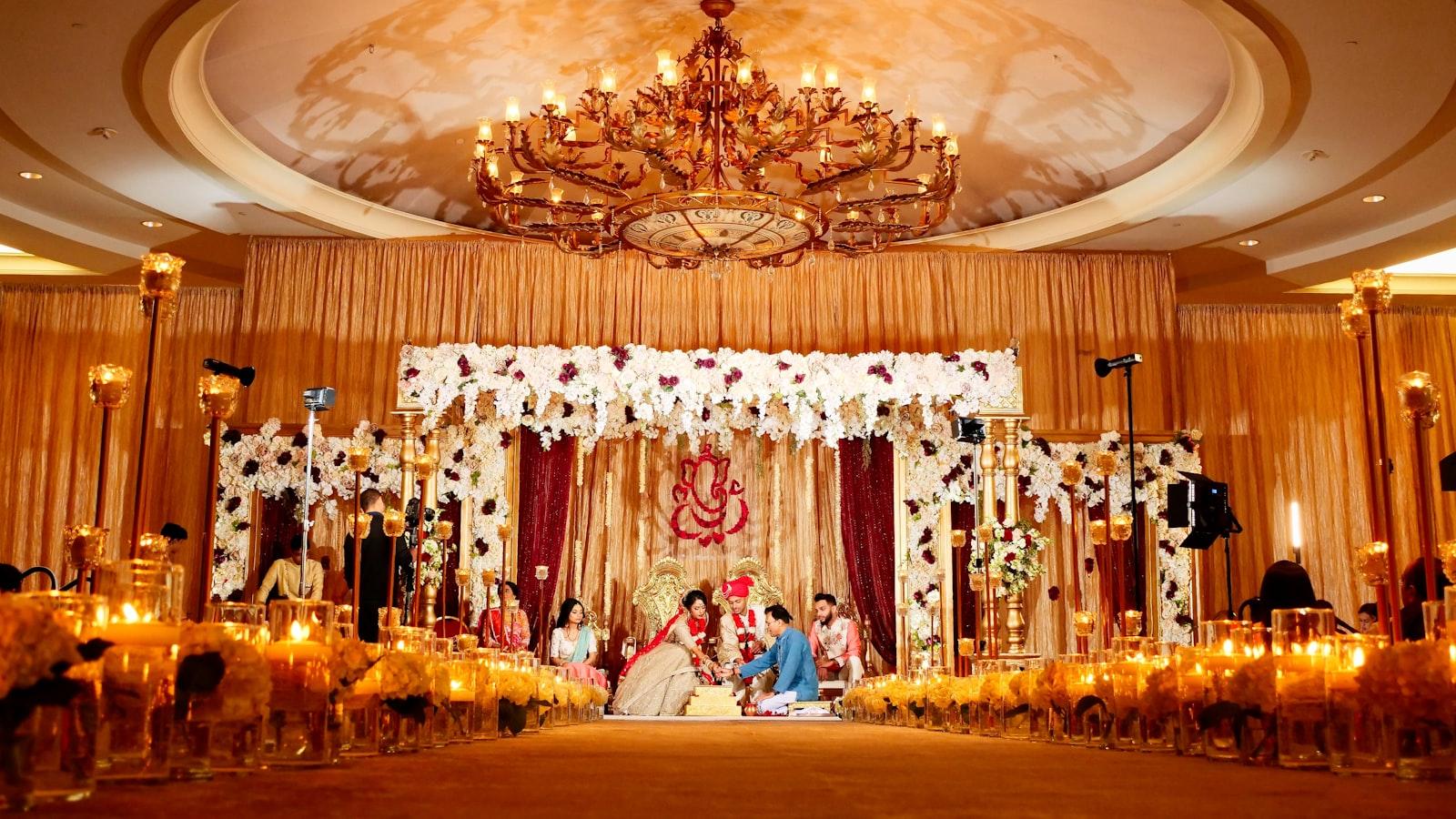
Vancouver is full of blended families, which means a lot of its weddings have two sets of traditions in the room. A tea ceremony in the morning and a church in the afternoon. A sangeet on the Friday, a reception with a Brazilian band on the Saturday. Two languages in the vows, two menus at dinner, and two sets of parents who each arrived with a picture of how this goes. It's one of the most beautiful things you can plan. It's also easy to lose hold of. This is what tends to work.
Start with what each tradition is for
Before you decide what to include, sit down with each family and ask one question: which parts of this matter most to you, and why? The list of true non-negotiables is usually shorter than you feared. A particular blessing. One dish that has to be on the table. The way the elders are greeted. Once you know the heart of each side, you can protect it, and make the rest of the choices with a lot less guilt.
Pick the shape on purpose
Three structures work, and none of them is a compromise if you choose it deliberately.
- One day, one blended ceremony. Elements from both traditions in a single ceremony, usually led by an officiant who's comfortable in both. The shortest and most cohesive option. It needs the most conversation up front.
- One day, two ceremonies. A traditional ceremony in the morning, a second one in the afternoon, one reception. A familiar shape in Vancouver. The timeline becomes the whole project.
- Two events. A full traditional celebration on one day and a second celebration on another. More cost, more time, but each family gets its moment without anyone giving something up.
Build the day around the rituals, then the food, then the party
Weddings with two traditions run long, and the guests who need the most care are usually the oldest. Put the rituals on the timeline first and give each one the time it actually needs. Then place the meal. Then the party. Leave a real gap for the two of you to change and eat something. And give every Event Pro working the day a timeline with the cultural context written in: who's greeted first, when shoes come off, when the music has to stop for a blessing.
Feed both families without making anyone choose
Food is where two traditions meet most easily. Some couples serve one cuisine at cocktail hour and the other at dinner. Some hire two caterers who share a kitchen. Some put dishes from both sides on every table. Whatever you do, label everything, and think about the guests who keep halal, kosher or vegetarian rules, or who may be fasting that day. The moment a grandmother spots her dish on the table is one you'll both remember.
Hire people who already understand your celebration
A DJ who knows which songs get your uncles up. A photographer who knows which moment in the ceremony matters and where to stand for it. A caterer who has cooked for a Brazilian family and a Chinese one in the same month. Ask them straight out: have you worked with our traditions before? What did you learn?
Give each family something to own
The family that's anxious is usually the one with nothing to do. Ask each side to take charge of one thing: the welcome, a dance, the blessing, a dessert table, the favours. When both families have a piece they're proud of, the planning stops feeling like a negotiation.
The list of true non-negotiables is usually shorter than you feared.
Join the conversation
Loading comments…